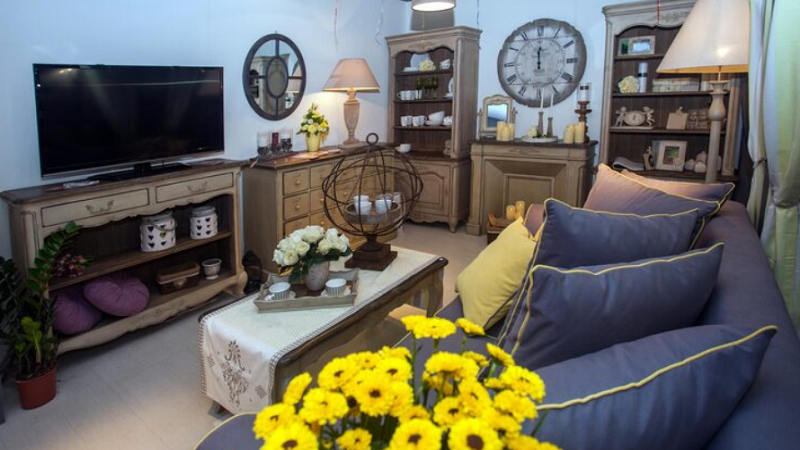
Home decoration is more than simply choosing attractive furniture or adding decorative items to a room. It is about creating a comfortable, practical, and welcoming environment that reflects personal taste. A well-decorated home can make everyday life more enjoyable while also making rooms feel organized and purposeful. Whether someone is decorating a new house or refreshing an existing space, small and thoughtful improvements can create a noticeable difference.
Modern home decoration focuses on balance, comfort, functionality, and personality. Instead of filling every corner with accessories, homeowners are increasingly choosing useful pieces, natural materials, suitable lighting, and simple color combinations. This approach makes a home look attractive without making it feel crowded.
Understanding the Basics of Home Decoration
Before purchasing furniture or decorations, it is useful to understand the basic principles of interior styling. Every room should have a clear purpose, and the decoration should support that purpose.
For example, a living room usually needs comfortable seating, practical lighting, and enough open space for movement. A bedroom should feel calm and relaxing, while a kitchen should prioritize organization and functionality.
The key elements include color, furniture, lighting, texture, layout, and accessories. When these elements work together, a room can look complete without requiring expensive products.
Choosing the Right Color Palette
Color is one of the easiest ways to transform a room. Light shades such as white, cream, beige, soft gray, and pale green can make smaller rooms appear more spacious. Darker colors can create depth and make large rooms feel warmer and more intimate.
A useful approach is to select one main color, one supporting shade, and one accent color. The main color can be used on walls and larger surfaces, while supporting colors can appear in furniture and textiles. Accent colors can be introduced through cushions, artwork, rugs, curtains, or decorative objects.
Neutral colors remain popular because they provide flexibility. If the basic colors are neutral, seasonal decorations can be changed easily without redesigning the entire room.
Creating a Comfortable Living Room
The living room is often one of the most frequently used spaces in a home. Its design should therefore combine comfort and visual appeal.
Start by selecting furniture that fits the size of the room. Oversized furniture can make a small room feel cramped, while very small furniture may look lost in a large space. Arrange seating so that people can communicate comfortably and move around without difficulty.
A rug can help define the seating area and add warmth. Cushions and throws introduce texture and can also provide inexpensive ways to update the room.
According to the principles of ththomedec home decoration by thehometrotter, thoughtful arrangement is often more important than the number of decorative items. A room with fewer well-selected pieces can feel more sophisticated than a room filled with unnecessary accessories.
Designing a Relaxing Bedroom
A bedroom should provide a peaceful environment for rest. Soft colors, comfortable bedding, suitable curtains, and warm lighting can contribute to a relaxing atmosphere.
The bed should normally be the main visual focus. Choose bedding that complements the room’s color scheme rather than competing with it. Bedside tables can provide practical storage for lamps, books, or personal items.
Avoid excessive decoration around the bed. Too many objects may make the room feel visually busy. Instead, select a few meaningful pieces that contribute to the overall atmosphere.
Lighting is particularly important in a bedroom. A combination of general lighting, bedside lamps, and softer accent lighting allows the room to be adjusted according to different needs.
Improving Kitchen Functionality
Kitchen decoration should always consider practicality. A beautiful kitchen that is difficult to use will quickly become frustrating.
Keep frequently used items within easy reach and use cabinets, drawers, shelves, and organizers to reduce clutter. Open shelving can display attractive dishes or containers, but it should not become an area where unnecessary objects accumulate.
Countertops generally look better when they have some open space. A few useful decorative elements, such as a plant, wooden board, or attractive storage container, can provide personality without reducing working space.
The choice of cabinet handles, backsplash materials, lighting, and countertop accessories can also influence the overall style of the kitchen.
Making Small Spaces Feel Larger
Small rooms require careful planning. One of the simplest ways to make a compact space feel larger is to maintain clear walking areas.
Mirrors can reflect light and create an impression of additional space. Furniture with exposed legs can also make the floor more visible, helping a room feel less heavy.
Use vertical space when possible. Tall shelves and wall-mounted storage can provide useful capacity without taking up much floor area.
Light colors and appropriate lighting can further improve the sense of openness. However, small rooms do not need to be completely white. A carefully selected accent color can add character without overwhelming the space.
Using Natural Materials and Textures
Natural materials can make interiors feel warm and inviting. Wood, cotton, linen, bamboo, stone, and woven materials can introduce visual and physical texture.
Texture is particularly useful when a room uses mostly neutral colors. A combination of a soft rug, woven basket, wooden furniture, and textured cushions can make a simple color palette more interesting.
Plants are another effective way to introduce a natural element. Depending on the available light, homeowners can choose low-maintenance indoor plants or artificial greenery for decorative purposes.
The idea behind ththomedec home decoration by thehometrotter can be applied through a balanced combination of practical furniture, natural textures, and carefully selected decorative details.
Choosing Furniture Carefully
Furniture is usually one of the largest investments in home decoration, so it should be selected carefully.
Measure the room before buying anything. Consider doorways, windows, electrical outlets, and walking paths. A piece that looks attractive in a showroom may not work well in a particular room.
Quality and functionality should also be considered. A dining table, sofa, bed, or storage cabinet should be suitable for everyday use.
Rather than buying an entire matching furniture set, consider combining complementary pieces. Different materials and finishes can give a room a more natural and personalized appearance.
The Importance of Lighting
Lighting can dramatically change the appearance of a room. Natural daylight should be used whenever possible. Keep windows relatively clear so that sunlight can enter freely.
For artificial lighting, consider three basic types: ambient, task, and accent lighting.
Ambient lighting provides general illumination. Task lighting is useful for activities such as reading, cooking, studying, or working. Accent lighting highlights artwork, shelves, architectural features, or decorative objects.
Warm lighting can create a cozy atmosphere in bedrooms and living rooms, while brighter lighting may be more suitable for kitchens and work areas.
Decorating Walls Without Overcrowding
Empty walls can make a room feel unfinished, but covering every wall with artwork can create visual clutter.
Choose wall decorations according to the size and style of the room. A large artwork can work well above a sofa or bed, while smaller pieces can be arranged as a balanced collection.
Family photographs, paintings, mirrors, wall shelves, and simple decorative panels can all add personality. The most important consideration is spacing. Leave enough empty wall area around decorative pieces so that they remain visually noticeable.
Adding Personal Details
A home should not look like a generic showroom. Personal objects can make a space feel authentic.
Books, photographs, travel souvenirs, handmade items, artwork, plants, and other meaningful belongings can be incorporated into the decoration. However, personal decoration works best when items are displayed selectively.
Instead of placing everything on shelves, rotate decorative objects occasionally. This keeps the room fresh while preventing unnecessary clutter.
Sustainable Decoration Ideas
Sustainable home decoration is becoming increasingly practical. Instead of replacing everything during a renovation, homeowners can reuse, repair, repaint, or repurpose existing items.
Old wooden furniture can sometimes be refreshed with a new finish. Glass jars can become storage containers, while baskets can organize blankets, toys, or household supplies.
Buying durable furniture can also reduce waste over time. Choosing timeless designs instead of short-lived trends may make it easier to maintain a home for many years.
Simple sustainability choices can support attractive interiors while also encouraging more responsible consumption.
Avoiding Common Decoration Mistakes
One common mistake is buying decorations before planning the room. This can result in mismatched colors, oversized furniture, and unnecessary purchases.
Another mistake is ignoring proportions. Every item should relate appropriately to the size of the room and surrounding furniture.
Poor lighting is another frequent problem. Even an attractive room may look dull if it has only one light source.
Finally, avoid following every trend. Trends can provide inspiration, but personal comfort and practical needs should always come first.
A Simple Approach to Home Decoration
A successful decorating project does not have to happen all at once. Begin with one room and identify what needs to change.
Remove unnecessary clutter first. Then consider the room’s layout, color scheme, lighting, furniture, and storage. Once the essentials are addressed, decorative accessories can be added.
The final stage should focus on balance. The goal is not to make every surface look decorated but to create a space where furniture, colors, lighting, and personal details work together naturally.
This practical approach to ththomedec home decoration by thehometrotter emphasizes planning and simplicity rather than unnecessary spending. Even small changes, such as rearranging furniture, changing lighting, adding plants, or introducing new textiles, can significantly improve the appearance of a room.
Conclusion
Home decoration is a creative process that combines personal style with everyday functionality. A beautiful home does not necessarily require expensive furniture or constant renovations. Careful planning, suitable colors, practical layouts, comfortable furniture, good lighting, and meaningful accessories can create a welcoming environment.
The best decoration choices are those that make a home easier to live in while reflecting the personality of the people who use it. By focusing on comfort, organization, balance, and thoughtful details, homeowners can gradually create interiors that remain attractive and useful for years.
Whether decorating a small apartment, family house, bedroom, kitchen, or living room, the same basic principle applies: choose what is useful, keep the space balanced, and allow personal taste to guide the final design. With patience and creativity, even simple changes can turn an ordinary room into a comfortable and inspiring place. See more