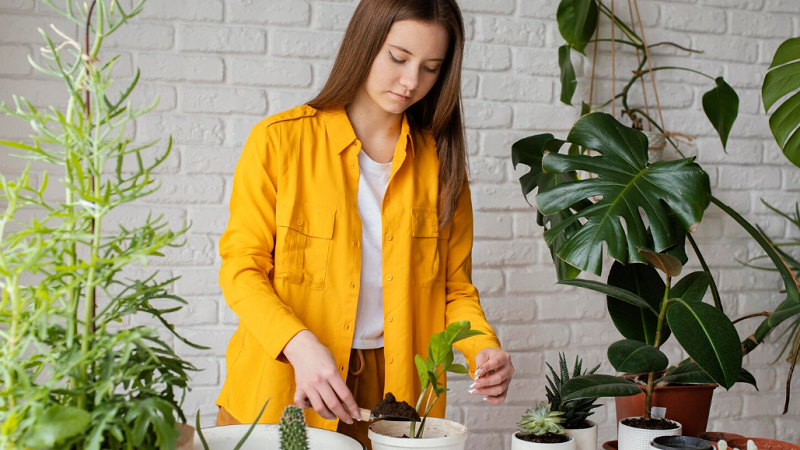
Houseplants can make a home feel fresher, more comfortable, and more connected to nature. They can add color to empty corners, bring life to shelves and tables, and complement almost any interior style. However, choosing the right plants is not always easy. Different plants have different needs for sunlight, water, temperature, humidity, and space.
If you are wondering which houseplants should I buy ththomedec, the best place to start is by looking at your home and daily routine. Instead of choosing a plant simply because it looks attractive, consider how much natural light your rooms receive and how much time you can spend caring for plants.
This guide explains some of the most popular indoor plants and how to choose options that can work well in different homes.
Why Choosing the Right Houseplant Matters
Every indoor environment is different. A bright room with several hours of sunlight can support plants that need plenty of light, while a darker hallway may require a more shade-tolerant plant.
Choosing a plant that matches your environment can make plant care easier. It can also reduce the risk of problems such as yellow leaves, slow growth, root damage, or wilting.
Before buying a plant, think about three basic factors:
- Available natural light
- How frequently you can water
- The amount of space available
Your lifestyle matters too. Some plants need regular attention, while others can tolerate occasional neglect.
Snake Plant for Easy Indoor Care
Snake plants are among the most popular choices for people who want a low-maintenance houseplant. Their upright leaves give them a clean and modern appearance, making them suitable for bedrooms, living rooms, offices, and hallways.
They can tolerate different lighting conditions, although moderate to bright indirect light can encourage healthier growth. Snake plants also prefer their soil to dry between waterings.
One common mistake is watering them too frequently. Their roots can suffer when they remain in wet soil for long periods. A pot with good drainage is therefore important.
For people with busy schedules, snake plants can be a practical choice because they generally do not require constant attention.
Pothos for Shelves and Hanging Spaces
Pothos is another popular indoor plant because it grows trailing vines that can look attractive from shelves, cabinets, or hanging containers.
It can tolerate lower-light conditions, although brighter indirect light can help maintain healthy growth. Pothos should be watered when the upper portion of its soil begins to dry.
Its flexible growth habit makes it useful for decorating smaller rooms. You can place it on a bookshelf, use a hanging planter, or allow its vines to grow downward from a high shelf.
When deciding which houseplants should I buy ththomedec, consider pothos if you want something versatile that can work in several areas of the home.
Spider Plant for Bright Indoor Areas
Spider plants are known for their long, narrow leaves and small plantlets that develop around mature plants. They can add a fresh and natural appearance to a room.
They generally perform well in bright, indirect light but can adapt to less intense lighting. Watering should be consistent, but the soil should not remain continuously saturated.
Spider plants can work well in bedrooms, kitchens, living rooms, and home offices. Their arching leaves also make them attractive in hanging baskets.
ZZ Plant for Low-Maintenance Homes
The ZZ plant is well known for its ability to handle periods of dryness. It has thick, glossy leaves and a structured appearance that works well with modern interiors.
It can tolerate lower-light environments, although extremely dark conditions are not ideal for long-term healthy growth.
The ZZ plant stores water in its underground structures, allowing it to tolerate less frequent watering. This makes it useful for people who sometimes forget to water their plants.
Like many indoor plants, it should be planted in well-draining soil and should not be left sitting in excess water.
Peace Lily for a Lush Appearance
Peace lilies have broad green leaves and distinctive white flowers. They can give a room a fuller, more tropical appearance.
They generally prefer bright, indirect light but can also tolerate lower levels of light. They appreciate consistent moisture, so they may require more attention than drought-tolerant plants.
A peace lily can be a good option when you want a plant that adds both foliage and flowers to an indoor space.
However, pet owners should research plant toxicity before bringing a peace lily into a home where animals may have access to it.
Rubber Plant for Larger Rooms
If you have a spacious living room or another area that can accommodate a larger plant, a rubber plant can make an attractive statement.
Its large leaves create a bold visual effect and can complement neutral furniture and modern interior designs. Rubber plants generally prefer bright, indirect light.
As they grow, they may require a larger container and occasional pruning. They are better suited to homes with enough space for a taller plant.
Choosing Plants Based on Natural Light
Light is one of the most important factors in successful indoor plant care.
A south-facing or otherwise very bright window may receive strong sunlight for several hours. Plants placed directly in intense sunlight may sometimes need protection from harsh rays.
Rooms with bright but indirect light provide suitable conditions for many common houseplants. This type of lighting is often found near windows where sunlight reaches the room without directly hitting the leaves for long periods.
Lower-light rooms require plants that can tolerate reduced illumination. However, “low light” does not mean complete darkness. Plants still need some usable light to carry out photosynthesis.
Before buying several plants, observe how sunlight changes throughout the day in each room.
Consider the Size of Your Space
The size of a plant should match the available space. A large plant can become difficult to manage in a small room, while several tiny plants may not provide enough visual impact in a large space.
For small apartments, compact plants such as pothos, spider plants, and small snake plants can work well.
Larger rooms can accommodate taller plants such as rubber plants or mature snake plants.
Also consider the space around the plant. Leaves need room to spread, and containers should be positioned where people will not constantly bump into them.
Think About Your Watering Routine
Watering habits are another important consideration. Some plants prefer consistently moist soil, while others prefer the soil to dry between watering sessions.
Overwatering is one of the most common problems for indoor plants. A plant can appear thirsty even when its roots are actually suffering from excess moisture.
Instead of following a strict calendar, check the soil and consider the plant’s specific requirements.
Drainage is equally important. Containers should generally have drainage holes so excess water can escape.
Choose Plants That Match Your Lifestyle
Your daily routine should influence your plant choices. If you travel frequently or have a busy schedule, drought-tolerant plants may be easier to maintain.
If you enjoy gardening and like spending time caring for plants, you may prefer varieties that require more regular watering, pruning, or attention.
When considering which houseplants should I buy ththomedec, think about the amount of care you realistically want to provide rather than choosing plants based only on appearance.
A simple plant-care routine is more sustainable when it fits naturally into your lifestyle.
Consider Pets and Children
Safety should also be part of your decision. Some popular houseplants can be harmful if pets or young children chew or swallow their leaves.
Before purchasing a plant, check whether it is considered toxic to cats, dogs, or other pets in your household.
You can also place plants in locations that are difficult for children or animals to reach. Hanging planters and elevated shelves can provide decorative options while reducing access.
Match Plants With Your Interior Style
Houseplants can become part of your overall interior design. The shape, size, and color of foliage can complement furniture, walls, rugs, and other decorative elements.
For a minimalist room, plants with simple shapes can create a clean appearance. In a more colorful room, plants with larger or fuller foliage can add visual interest.
Plant containers also matter. Ceramic pots, woven baskets, and simple neutral planters can each create a different look.
Rather than filling every available surface, consider using plants strategically to create balance.
Start With a Small Collection
If you are new to indoor gardening, there is no need to buy many plants at once. Starting with two or three varieties can help you understand your home’s conditions.
Observe how quickly the soil dries, how much light each plant receives, and how the plants respond to your care.
Once you become comfortable with your routine, you can gradually add more plants.
This approach also helps you discover which types of plants are most compatible with your lifestyle.
Common Mistakes to Avoid
New plant owners often make a few simple mistakes. One of the most common is watering too frequently.
Another mistake is placing a plant in unsuitable light. A plant that needs bright indirect light may struggle in a very dark corner.
Using a container without drainage can also create problems because excess water may remain around the roots.
Finally, avoid buying plants without considering their eventual size. A small plant at the store may become significantly larger over time.
Final Thoughts
Choosing houseplants does not have to be complicated. Start by understanding your home’s light levels, available space, temperature, and your own care routine.
If you are still asking which houseplants should I buy ththomedec, begin with adaptable varieties such as snake plants, pothos, spider plants, or ZZ plants. If you have brighter rooms and more time for plant care, you can explore additional varieties such as peace lilies and rubber plants.
The most successful indoor garden is not necessarily the one with the largest number of plants. It is the one where each plant receives suitable conditions and regular care.
By starting small, paying attention to your plants, and choosing varieties that match your home, you can create a comfortable indoor environment filled with healthy greenery. See More