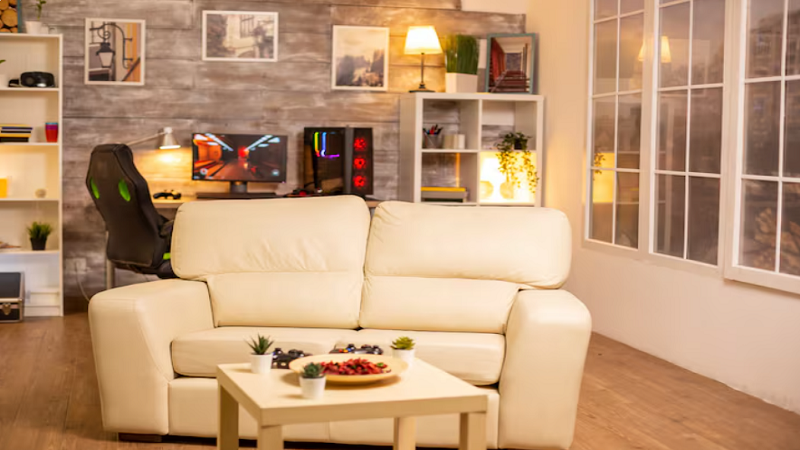
A beautiful home is not always about expensive furniture, luxurious decorations, or large living spaces. Sometimes, small changes can make a home look more attractive, organized, and comfortable. The right colors, furniture arrangement, lighting, and decorative accessories can completely transform the appearance of any room. Whether someone lives in a small apartment or a spacious house, thoughtful decoration can make the space feel welcoming and personal.
Home decoration is also an opportunity to express individual style. Some people prefer modern and minimalist interiors, while others enjoy traditional furniture, colorful accessories, and natural materials. The most important thing is to create a space that reflects personal preferences while remaining practical for everyday living.
Exploring home decoration ideas ththomedec can help homeowners discover simple ways to improve their surroundings without spending too much money. From choosing suitable colors to adding indoor plants, there are many creative methods to refresh a home.
This article explains practical decoration techniques, popular interior design styles, room-by-room improvements, and affordable decorating solutions that can make any home more attractive and functional.
1. Choose a Suitable Color Scheme
Color is one of the most important elements of home decoration. It influences how a room looks and feels, and it can make a space appear larger, brighter, warmer, or more relaxing.
Before decorating a room, consider selecting two or three main colors that work well together. A consistent color scheme creates a balanced appearance and helps different decorative elements complement one another.
Use Neutral Colors for a Calm Appearance
Neutral shades such as white, beige, cream, and light gray are popular choices for modern homes. These colors create a clean appearance and make it easier to combine different furniture styles.
Neutral walls can also make small rooms appear brighter, especially when natural light enters through windows.
Add Color Through Accessories
A room does not need brightly colored walls to look interesting. Colorful cushions, rugs, curtains, paintings, and decorative objects can introduce personality without overwhelming the space.
For example, a living room with cream-colored walls can look attractive with green cushions, wooden furniture, and a patterned rug.
Consider the Mood of Each Room
Different colors can create different visual effects.
-
Blue and green can create a peaceful atmosphere.
-
Yellow can introduce warmth and brightness.
-
Beige and brown can make a room feel comfortable.
-
White can create a fresh and open appearance.
Choose colors according to the purpose of the room and the atmosphere you want to create.
2. Arrange Furniture for Better Space
Furniture arrangement has a major influence on the appearance and functionality of a home. Even beautiful furniture can make a room feel uncomfortable when it is placed incorrectly.
A good arrangement allows people to move easily while keeping the room visually balanced.
Keep Walkways Clear
Avoid placing large furniture pieces in areas where people regularly walk. Leave enough space between sofas, tables, chairs, and doorways.
In smaller rooms, consider using furniture with compact dimensions to prevent overcrowding.
Create a Focal Point
Every room can benefit from a focal point that naturally attracts attention. In a living room, this could be a sofa arrangement, fireplace, television wall, or large piece of artwork.
Arrange furniture around the focal point while maintaining comfortable seating and movement.
Use Furniture with Multiple Functions
Multifunctional furniture is especially useful in small homes. Storage beds, folding tables, sofa beds, and ottomans with hidden compartments can help reduce clutter.
These pieces allow homeowners to use available space more efficiently without sacrificing comfort.
3. Improve Lighting in Every Room
Lighting can dramatically change the atmosphere of a home. A well-lit room usually feels more welcoming, while poor lighting can make even attractive interiors appear dull.
The best approach is to combine natural light with different types of artificial lighting.
Make the Most of Natural Light
Natural light can make rooms feel open and fresh. Keep windows clean and avoid covering them with heavy curtains during the day.
Light-colored curtains can provide privacy while still allowing sunlight to enter.
Mirrors placed opposite or near windows may also help distribute light throughout a room.
Use Different Lighting Sources
Instead of relying on a single ceiling light, combine several lighting options.
-
Ceiling lights provide general illumination.
-
Table lamps create a comfortable atmosphere.
-
Floor lamps brighten darker corners.
-
Wall lights add decorative interest.
-
Task lights help with reading, cooking, and working.
Using different lighting sources makes a room more flexible and visually appealing.
Choose Warm or Cool Lighting Carefully
Warm lighting is often suitable for bedrooms and living rooms because it creates a relaxed atmosphere. Cooler lighting can be useful in kitchens, study areas, and workspaces where clear visibility is important.
The right choice depends on the room’s purpose and personal preference.
4. Decorate Walls with Creative Ideas
Empty walls can make a room look unfinished. Decorating them thoughtfully can add personality and improve the overall appearance of the space.
However, filling every wall with decorations can create a crowded feeling. A balanced approach usually produces better results.
Create a Gallery Wall
A gallery wall is a collection of framed photographs, artwork, illustrations, or decorative prints arranged together.
Choose frames that share similar colors or styles for a coordinated appearance. Before hanging them, arrange the frames on the floor to experiment with different layouts.
Add One Large Artwork
A large painting or decorative print can become the main attraction in a room. It works particularly well above a sofa, bed, or dining table.
Choose artwork that complements the room’s colors and reflects your personal interests.
Try Decorative Shelves
Wall shelves provide both storage and decoration. They can display books, plants, framed photographs, candles, and small decorative objects.
Keep the arrangement simple by mixing different heights and textures while leaving some empty space.
5. Bring Nature Indoors with Plants
Indoor plants are an easy way to introduce natural beauty into a home. Their green leaves can add color, texture, and freshness to different rooms.
Plants are available in many sizes, making them suitable for both large houses and small apartments.
Select Plants According to Available Light
Some plants grow well in bright sunlight, while others can tolerate lower-light conditions. Before purchasing a plant, consider the amount of natural light available in the intended location.
Choose plants that match your home’s conditions and your ability to care for them.
Use Attractive Plant Containers
Decorative pots can improve the appearance of indoor plants. Ceramic, terracotta, woven, and simple modern containers can complement different interior styles.
Matching the pots with the room’s color scheme creates a coordinated look.
Place Plants Strategically
Large plants can fill empty corners, while smaller plants can decorate shelves, desks, and side tables.
Avoid overcrowding rooms with too many plants. A few carefully positioned plants can create a more balanced appearance.
6. Choose Comfortable and Attractive Textiles
Textiles are important because they introduce softness, warmth, and texture into a home. Curtains, cushions, rugs, and blankets can make rooms feel more comfortable without requiring major changes.
Use Cushions to Refresh Sofas
Decorative cushions can quickly update the appearance of a living room. Combine different sizes and textures while keeping the colors coordinated.
For example, neutral sofas can look more interesting with cushions in earthy shades, geometric patterns, or soft pastel colors.
Select Suitable Curtains
Curtains influence both the appearance and functionality of a room. Light fabrics allow more sunlight to enter, while heavier curtains can provide greater privacy and help reduce unwanted light.
Choose curtain lengths and colors that complement the windows and surrounding furniture.
Add Rugs for Comfort
Rugs can define different areas within an open room and make floors feel more comfortable.
A rug placed beneath a coffee table can help connect the seating arrangement. In bedrooms, smaller rugs beside the bed can provide a softer surface underfoot.
7. Keep Your Home Organized
A clean and organized home often looks more attractive than a room filled with expensive decorations. Reducing clutter allows furniture, colors, and decorative accessories to stand out.
Organization also makes everyday activities easier.
Use Smart Storage Solutions
Storage baskets, cabinets, drawers, and decorative boxes can help keep frequently used items organized.
In bedrooms, use under-bed storage for seasonal clothing or extra bedding. In living rooms, choose furniture that includes hidden storage.
Avoid Overdecorating
Too many decorative objects can make a room appear crowded. Instead of displaying every accessory you own, select a few meaningful items.
Leave some surfaces empty to create visual balance.
Create a Regular Cleaning Routine
Dusting furniture, cleaning windows, arranging cushions, and keeping floors clear can maintain the appearance of a decorated room.
Regular cleaning also helps preserve furniture and decorative materials.
8. Explore Different Interior Decoration Styles
There are many interior decoration styles, and each offers different ways to create an attractive home.
Understanding these styles can help homeowners choose designs that match their preferences.
Modern Style
Modern interiors often feature clean lines, simple furniture, neutral colors, and uncluttered spaces.
Glass, metal, wood, and smooth surfaces are commonly used to create a contemporary appearance.
Minimalist Style
Minimalist decoration focuses on simplicity and functionality. It uses fewer furniture pieces, limited accessories, and carefully selected colors.
This style is especially suitable for people who prefer organized and peaceful surroundings.
Traditional Style
Traditional interiors often include detailed furniture, decorative patterns, rich colors, and classic accessories.
Wooden furniture, patterned curtains, and framed artwork can help create a warm and timeless atmosphere.
Bohemian Style
Bohemian interiors often combine colorful textiles, plants, natural materials, and artistic decorations.
This style allows more freedom to mix patterns, textures, and accessories according to personal taste.
Scandinavian Style
Scandinavian decoration emphasizes simplicity, natural light, functional furniture, and comfortable surroundings.
Light wood, neutral colors, soft textiles, and simple decorative pieces are common features of this style.
9. Affordable Home Decoration Ideas
Decorating a home does not require a large budget. Many improvements can be completed by using existing furniture, making small changes, and choosing affordable accessories.
Rearrange Existing Furniture
Moving furniture into a different arrangement can create a fresh appearance without purchasing anything new.
Try placing a sofa near a window, moving a chair into an unused corner, or changing the position of a coffee table.
Refresh Old Furniture
Old furniture can often be improved with cleaning, polishing, repainting, or replacing handles.
A wooden cabinet with a worn appearance may look more attractive after a simple makeover.
Use DIY Decorations
Do-it-yourself decorations allow homeowners to create personalized accessories at a lower cost.
Simple projects include decorating photo frames, painting flowerpots, creating wall art, or arranging decorative objects on shelves.
Shop with a Plan
Before purchasing decorations, identify what the room actually needs.
A planned shopping list can prevent unnecessary spending and help maintain a consistent design.
10. Room-by-Room Decoration Tips
Each room serves a different purpose, so its decoration should support both comfort and functionality.
Living Room
The living room is often the main gathering space in a home. Arrange seating to encourage conversation and provide enough space for movement.
Use a comfortable sofa, suitable lighting, a coffee table, and a few decorative accessories.
Bedroom
A bedroom should feel peaceful and comfortable. Choose relaxing colors, soft bedding, and suitable bedside lighting.
Keep unnecessary objects away from the bed to create a clean and restful environment.
Kitchen
A well-organized kitchen is easier to use and maintain. Keep frequently used utensils accessible and store less frequently used items in cabinets.
Small plants, clean countertops, attractive containers, and suitable lighting can improve its appearance.
Bathroom
Bathrooms can look more attractive with coordinated towels, storage baskets, mirrors, and simple decorative accessories.
Keep surfaces clean and avoid placing decorations where they may interfere with everyday use.
Home Office
A home office should support concentration and comfort. Choose a suitable desk, an adjustable chair, and sufficient lighting.
Keep cables organized and use shelves or storage containers to maintain a tidy workspace.
11. Common Home Decoration Mistakes to Avoid
Even small decorating mistakes can affect the appearance and usability of a room. Paying attention to a few basic principles can help prevent unnecessary problems.
Choosing Furniture That Is Too Large
Oversized furniture can make small rooms feel crowded. Measure the available space before purchasing furniture and consider how much room is needed for movement.
Ignoring Lighting
A room with beautiful furniture may still look unattractive if the lighting is too dark or harsh.
Use a combination of lighting sources and make the most of available daylight.
Mixing Too Many Colors
Using too many unrelated colors can make a room appear visually confusing.
Choose a consistent palette and introduce additional colors through small accessories.
Following Trends Without Considering Comfort
Decorating trends can provide inspiration, but not every trend suits every home.
Choose furniture, colors, and accessories that support your lifestyle rather than selecting items only because they are fashionable.
Forgetting Personal Style
A home should reflect the people who live in it. Personal photographs, meaningful objects, favorite colors, and treasured artwork can make a space feel more welcoming.
Conclusion
Creating a beautiful home is about finding the right balance between appearance, comfort, and functionality. Simple improvements such as selecting suitable colors, arranging furniture thoughtfully, improving lighting, adding plants, and organizing storage can make a noticeable difference.
Homeowners do not need to purchase expensive furniture or completely renovate their properties to achieve attractive results. Small changes, creative ideas, and careful planning can transform ordinary rooms into comfortable and inviting spaces.
The most useful home decoration ideas ththomedec are those that match the home’s available space, the family’s needs, and individual preferences. By focusing on practical improvements and personal style, anyone can create a home that feels organized, beautiful, and enjoyable throughout the year. See More