
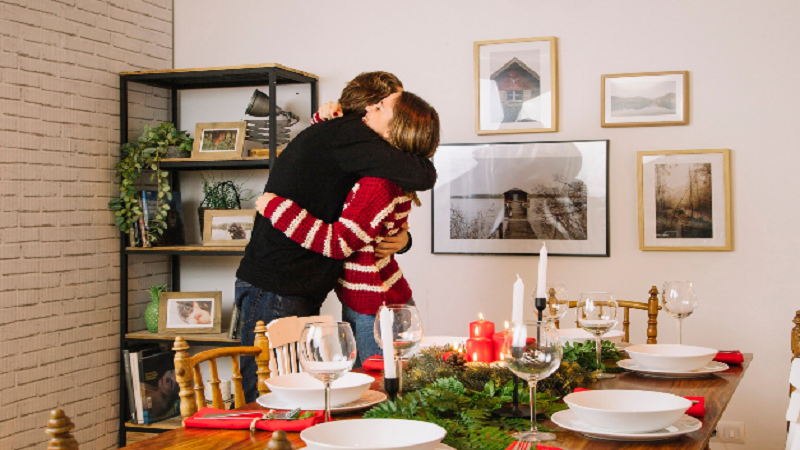
A beautiful home does not always require expensive furniture, luxury decorations, or major renovations. Sometimes, small changes can make a big difference in the appearance and comfort of a living space. The right colors, furniture arrangements, lighting, and decorative accessories can transform an ordinary room into a welcoming environment. Home decoration is about creating a space that reflects personal taste while remaining practical and comfortable for everyday living.
Many people want their homes to look attractive but do not know where to begin. The best approach is to start with simple improvements and gradually develop a style that suits the available space and budget. Whether someone lives in a small apartment, a family house, or a large modern property, thoughtful decorating choices can make every room feel more inviting.
This guide explores practical decorating techniques, creative ideas, and useful tips for improving different areas of a home without unnecessary expenses.
1. Start with a Clear Decorating Plan
Before purchasing furniture or decorative accessories, it is important to understand what each room needs. A decorating plan helps prevent unnecessary spending and keeps the overall design organized.
Begin by examining the available space. Consider the room’s size, natural lighting, existing furniture, and daily activities. For example, a living room used for family gatherings may need comfortable seating, while a bedroom should focus on relaxation and privacy.
Choose a decorating style that matches your preferences. Some popular options include:
-
Modern style: Clean lines, simple furniture, and neutral colors.
-
Minimalist style: Fewer decorative objects and uncluttered spaces.
-
Traditional style: Classic furniture, warm colors, and detailed accessories.
-
Scandinavian style: Natural materials, light colors, and practical designs.
-
Bohemian style: Colorful fabrics, plants, patterns, and artistic decorations.
Selecting one main style makes it easier to coordinate furniture, colors, and accessories throughout the home.
2. Choose the Right Color Combinations
Colors have a major influence on the atmosphere of a room. They can make a small space feel larger, create a relaxing environment, or add energy to an otherwise simple interior.
Neutral shades such as white, beige, cream, and light gray are popular because they create a clean and timeless appearance. These colors also work well with different furniture styles.
For a more interesting design, combine neutral shades with accent colors. Soft green, navy blue, terracotta, and warm brown can add personality without making a room look crowded.
Here are some useful color suggestions:
-
Use white and beige for a bright and peaceful appearance.
-
Combine gray with natural wood for a balanced modern look.
-
Add green accessories to create a fresh atmosphere.
-
Use darker colors in small decorative details rather than covering every wall.
-
Choose colors that complement the flooring and furniture.
It is also helpful to test paint samples before applying them to an entire wall. Lighting can change how a color appears during different times of the day.
3. Make Your Living Room More Welcoming
The living room is often one of the most frequently used areas in a house. It is where family members relax, entertain guests, watch television, and spend time together. Therefore, its design should combine comfort and appearance.
Start with furniture placement. Arrange sofas and chairs in a way that encourages conversation and allows people to move around easily. Avoid placing too many large pieces in a small room.
A comfortable sofa can serve as the main feature of the space. Add cushions in different textures and complementary colors to make it more attractive.
Other useful decorating ideas include:
-
Place a stylish rug beneath the seating area.
-
Add a coffee table that matches the room’s proportions.
-
Use framed artwork to decorate empty walls.
-
Include a small indoor plant near a window.
-
Choose curtains that complement the furniture.
-
Keep frequently used items organized in storage baskets.
When exploring home decor ideas ththomedec, it is useful to remember that a welcoming living room does not need many expensive accessories. A balanced arrangement and a few carefully selected decorations can create an impressive result.
4. Create a Peaceful and Comfortable Bedroom
A bedroom should be a relaxing place where people can rest after a busy day. Its decoration should focus on comfort, simplicity, and a peaceful atmosphere.
Start with the bed because it is usually the largest piece of furniture in the room. Choose comfortable bedding in colors that encourage relaxation. White, light blue, beige, and soft green are suitable options for a calm environment.
Lighting is another important factor. A bright ceiling light is useful for general activities, but bedside lamps provide softer illumination for reading and relaxing.
Consider these bedroom improvements:
-
Use matching bedsheets and pillow covers.
-
Add a soft rug beside the bed.
-
Install simple curtains for privacy and light control.
-
Keep bedside tables free from unnecessary objects.
-
Use wall art that creates a peaceful feeling.
-
Add storage solutions to reduce clutter.
Avoid filling the bedroom with too many decorative objects. A clean and organized environment makes the space more comfortable and easier to maintain.
5. Improve Small Spaces with Smart Furniture
Small homes and apartments require careful planning because limited space can quickly become crowded. Choosing the right furniture can help create a functional environment without sacrificing style.
Multifunctional furniture is particularly useful. For example, a storage bed provides additional space for blankets and seasonal clothing. A folding dining table can be expanded when guests arrive and stored when it is not needed.
Other practical solutions include:
-
Wall-mounted shelves for books and decorations.
-
Storage ottomans that provide seating and hidden storage.
-
Foldable desks for home offices.
-
Furniture with built-in drawers.
-
Mirrors that create a greater sense of openness.
Avoid placing oversized furniture in narrow rooms. Smaller pieces with simple designs often make limited spaces feel more comfortable.
Keeping pathways clear is equally important. A well-organized room can feel much larger than its actual dimensions.
6. Use Lighting to Transform Your Interior
Lighting is one of the most effective ways to improve the appearance of a home. Even attractive furniture can look less appealing when a room has poor lighting.
Natural light should be used whenever possible. Keep windows clean and avoid blocking them with large furniture. Light-colored curtains can allow sunlight to enter while maintaining privacy.
Artificial lighting should include different sources for different activities.
General lighting: Ceiling lights provide overall illumination.
Task lighting: Desk lamps and reading lights help with specific activities.
Accent lighting: Wall lights, decorative lamps, and LED strips highlight selected areas.
Warm lighting is generally suitable for bedrooms and living rooms because it creates a comfortable atmosphere. Brighter lighting can be useful in kitchens, bathrooms, and workspaces.
The placement of lighting fixtures also matters. A lamp beside a sofa or a light above a dining table can make a room feel more organized and visually appealing.
7. Bring Nature Indoors with Plants
Indoor plants are an easy way to add freshness and natural beauty to an interior. They introduce color, soften hard furniture lines, and make rooms feel more lively.
Some popular indoor plants include:
-
Snake plants.
-
Pothos.
-
Peace lilies.
-
Spider plants.
-
ZZ plants.
-
Small succulents.
Choose plants according to the amount of sunlight available. Some varieties grow well in bright areas, while others can tolerate lower-light conditions.
Decorative pots can also contribute to the overall design. Ceramic, wooden, and woven containers are attractive options.
If maintaining live plants is difficult, artificial plants can provide a similar decorative effect without regular watering. However, real plants require proper care, including suitable light, water, and occasional maintenance.
8. Decorate Walls with Creative Accessories
Empty walls can make a room feel unfinished. Decorating them thoughtfully adds character and creates visual interest.
Wall art is one of the simplest options. Paintings, framed photographs, abstract prints, and handmade artwork can all improve an interior.
Gallery walls are another popular choice. They involve arranging several pictures or decorative frames together in an organized layout.
Other creative wall decoration options include:
-
Decorative mirrors.
-
Floating wooden shelves.
-
Wall clocks.
-
Simple wall panels.
-
Handmade crafts.
-
Minimalist metal decorations.
When arranging wall accessories, consider their size and position. A large painting above a sofa should generally be proportionate to the furniture beneath it.
Avoid covering every available wall with decorations. Leaving some empty space helps maintain a clean and balanced appearance.
9. Upgrade Your Kitchen with Simple Changes
The kitchen is one of the most important functional areas in a home. Its design should support cooking, cleaning, and food preparation while maintaining an attractive appearance.
You do not need a complete renovation to improve its appearance. Small updates can make the kitchen look more organized.
Start by removing unnecessary items from countertops. Store cooking tools, dishes, and ingredients in suitable cabinets or containers.
Consider the following improvements:
-
Use matching storage jars for dry ingredients.
-
Install under-cabinet lighting.
-
Add a small decorative plant.
-
Replace old cabinet handles.
-
Use washable rugs near work areas.
-
Organize drawers with dividers.
-
Keep frequently used kitchen tools within easy reach.
Choose materials that are easy to clean and suitable for regular kitchen use. Practicality should always come before decoration in this space.
10. Add Texture Through Fabrics and Materials
A room can sometimes look plain even when its colors and furniture are well selected. Adding different textures creates depth and makes the interior more interesting.
Soft fabrics are especially useful for improving comfort. Cushions, blankets, curtains, and rugs can introduce texture without requiring major changes.
Natural materials such as wood, cotton, linen, jute, and rattan are popular choices for home interiors. They can create a warm and welcoming atmosphere.
For example, a wooden coffee table can look attractive with a soft fabric sofa and a woven rug. Similarly, linen curtains can add a light and elegant touch to a bedroom.
The key is to combine different textures without introducing too many competing patterns. A balanced mixture creates a more polished appearance.
11. Organize Your Home and Reduce Clutter
A beautiful interior is not only about decoration. Organization plays an equally important role in creating a comfortable home.
Too many objects can make even a spacious room look messy. Regularly reviewing household belongings helps maintain a cleaner environment.
Use baskets, boxes, shelves, and cabinets to store everyday items. Give frequently used belongings a specific place so they are easier to find.
Some simple organization habits include:
-
Make the bed every morning.
-
Return items to their proper places.
-
Clean countertops regularly.
-
Organize wardrobes by clothing type.
-
Remove unused or damaged belongings.
-
Keep floors and walkways clear.
Good organization also makes cleaning easier and helps protect furniture and decorative accessories from unnecessary damage.
12. Follow a Budget-Friendly Decorating Approach
Creating an attractive home does not require spending a large amount of money. With careful planning, many improvements can be completed using affordable materials and existing furniture.
Before buying anything new, look at the items already available. Rearranging furniture, changing cushion covers, or moving decorative accessories between rooms can create a fresh appearance.
DIY projects are another affordable option. You can create simple wall art, repaint an old table, decorate storage boxes, or reuse glass jars as decorative containers.
When purchasing new items, prioritize quality and usefulness instead of buying everything at once.
A practical budget should include:
-
Essential furniture.
-
Lighting improvements.
-
Storage solutions.
-
Wall decorations.
-
Soft furnishings.
-
Basic maintenance.
Making changes gradually allows you to improve your home without placing unnecessary pressure on your finances.
13. Common Decorating Mistakes to Avoid
Even simple decorating projects can become difficult when important details are overlooked. Avoiding common mistakes can help achieve a better result.
Buying furniture without measuring: Always measure available space before purchasing large furniture.
Using too many colors: A limited color palette usually creates a more coordinated appearance.
Ignoring lighting: Poor lighting can make an otherwise beautiful room feel uncomfortable.
Overdecorating: Too many accessories create visual clutter and make cleaning difficult.
Ignoring functionality: Furniture and decorations should support everyday activities.
Following every trend: Trends change frequently, so choose designs that suit your personal preferences and long-term needs.
A successful interior should look attractive while remaining practical for the people who live there.
Conclusion
Decorating a home is an opportunity to create a comfortable environment that reflects personal style and everyday needs. From selecting suitable colors and arranging furniture to improving lighting and adding indoor plants, small improvements can make a meaningful difference.
The most effective home decor ideas ththomedec approach is to focus on balance, simplicity, comfort, and functionality. Every room should have a clear purpose, and decorative choices should support that purpose rather than create unnecessary clutter.
Whether you are updating a single bedroom or improving your entire house, start with manageable changes and work according to your budget. With thoughtful planning and a little creativity, any living space can become more attractive, organized, and welcoming. See More